

Don't blow your budget in your sleep! Save big in London by booking a friendly, central, and budget-friendly B&B like the St. Athans (reviewed below). Photos: EuroCheapo and Booking.com
Looking for the perfect budget hotel in London for your upcoming trip? We’ve combed through our listings of recommended hotels in the Queen’s city to come up with the following top best budget hotels in London for this year. Each of these has that special combination of nightly rates at a good value, great locations, » Read more

The Grand Canal in Venice. Photo: Gerhard G.
There’s nothing we love more than a visit to Venice. It’s hard to beat the canal views, incredible cultural sites, and decadent food. But like many other iconic European cities, Venice can be an expensive adventure, especially when it comes to booking a hotel. You can save by scouring the internet for budget-friendly accommodations, but » Read more

The affordable Hotel Audran is nestled in an enchanting slice of Paris.
Whoa. Let me repeat that… whoa. Are you experiencing a little sticker shock while searching for hotels in Paris? The city has gotten really expensive, n’est-ce pas? I know, traveling to Paris has never been exactly cheap, but there have always been ways to make it more affordable. Heck, my post on 47 ways to » Read more
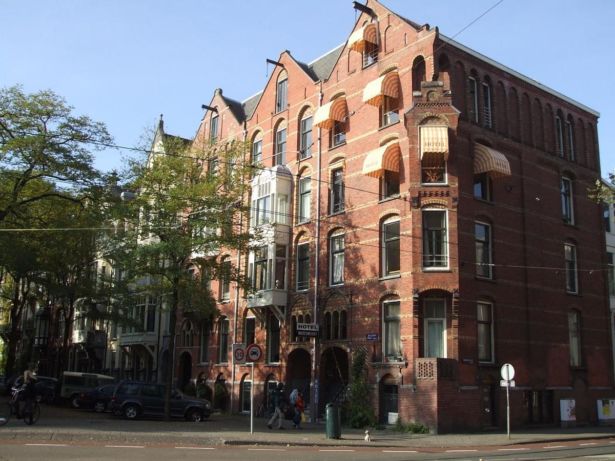
Save big on your trip to Amsterdam by staying in one of these budget-friendly hotels. Above, the Hotel Museumzicht. Photo: Booking.com
Looking for the best budget hotels in Amsterdam? We’re about to make your hunt a lot easier. We’ve recently updated our listings of recommended cheap hotels in Amsterdam, and have singled out the following seven as our best cheap hotels in Amsterdam. It was no easy task — Amsterdam fortunately still has a long list of » Read more
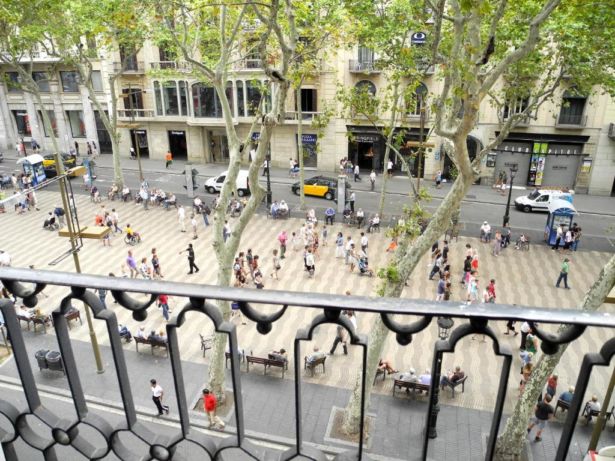
The view from a balcony at Hotel Lloret Ramblas. Photo: Booking.com
The Barcelona hotel scene offers something for everyone, from super cheap dorm beds to fancy penthouse suites. Cheapos have plenty of options, but it can be hard to decipher between hotels, hostels, hostals, and a variety of other accommodation types in Barcelona. (By the way, to clear things up, you might want to read our » Read more

Check out our top budget hotel picks for Rome to sleep central, clean and cheap in the Eternal City. All photos from Booking.com
Heading to Rome and looking for a nice, affordable hotel that won’t leave your trip budget in ruins? As part of our cheapo quest to find Europe’s best budget hotels for this year, we’re excited to list our top seven budget hotels in Rome. The hotels below have been selected from our list of recommended » Read more

Gaudi's stunning Casa Batlló in Barcelona. Photo: Jose Ramirez
Also known as Casa dels Ossos, or the “house of bones”, Casa Batlló in Barcelona looks like something Tim Burton and Walt Disney might have dreamed up for a movie set. Famed Catalan architect Antoni Gaudí built it in 1877 for one family, then renovated it into the masterpiece that it is today for another family » Read more

A waterfront restaurant in Lisbon. Photo: Frank S.
Portugal is one of our favorite budget destinations for food and drink. A multitude of fish and meat dishes, not to mention amazing wines for every palette, are available for very reasonable prices in Portugal’s capital city. But in Lisbon, just like in any other large metropolis in Europe, it matters when, where, and what » Read more

Yes, Amsterdam can be affordable! Photo: shepard4711
Amsterdam isn’t the most expensive city in Europe (we’re looking at you London!), but it’s certainly not the cheapest. When visiting Amsterdam, you can expect to pay a little bit more for all of the essentials than you would in a place like Italy or Spain. Luckily, with a little bit of planning and know-how, » Read more

A pint of Guinness. Jana Reifegerste
The craft beer craze hasn’t caught on in Ireland. At pubs in Dublin, it’s all about the classics. If you ask the barman for a pint, you will get a pint of Guinness. Beyond the black stuff, there are a couple other Irish beers of note, and a few hot drinks that are the perfect » Read more

Explore Haarlem, a short day trip from Amsterdam. Photo: Nicolas Vigier
Amsterdam is a no brainer when visiting The Netherlands. It has tons of old-world charm and plenty of excellent budget hotels. After a few days in this vibrant city, usually next on the list would be a day trip to Rotterdam, the Keukenhof flower garden or The Hague. But staying in Amsterdam offers a variety » Read more

Make the most of your time and budget in Paris by following our budget tips.
Worried about what your upcoming trip to Paris might do to your wallet? Fear not, for EuroCheapo has you covered with this definitive list of our top 47 Paris budget travel tips! The City of Light might be Europe’s most visited destination, but it doesn’t need to be the most expensive. Below you’ll find tips » Read more

Your 10-day trip starts in beautiful Rome. Photo: Mauricio A.
When planning a vacation in Italy, it’s tempting to want to see and do it all. It’s very easy to over schedule your trip, especially on a tight time frame like a 10-day visit. To really get into la dolce vita, it’s better to limit yourself to a few cities or towns and take your » Read more

A beautiful day in Copenhagen. Photo: barnyz
Copenhagen is beautiful, clean… and very expensive! From hotels and restaurants to sightseeing and entertainment, the costs can really add up in Denmark’s largest city. But don’t give up on your dreams of a Danish getaway just yet. We’ve compiled a list of our favorite budget hotels in Copenhagen. Before you make your reservations, take a look » Read more

Big Ben in London. Photo: Kosala Bandara
London is huge and it’s all-embracing. Suffice to say, whatever your interest and budget, you’ll find something that matches it in London. Our main advice for first-time visitors is to put aside the “must-do” lists for a moment and spend your time seeking out things that you will personally enjoy — you’ll never manage to » Read more

Here's how to save on your hotel in Barcelona
Despite its popularity, Barcelona is a bargain for travelers, particularly when it comes to food and drink. But what about how to save on your hotel in Barcelona? While rooms in the Catalan capital may be substantially cheaper in comparison to other large European cities, there are a few tricks to getting the best possible » Read more

A room with a view at Hostal La Macarena. Photos: Booking.com
Madrid is an energetic city with beautiful neighborhoods. You’ll find world-class museums alongside tapas bars and a thriving nightlife scene. And although it is one of the top cities in the world, Madrid can still be explored on a cheapo budget. Case in point: The abundance of high-quality cheapo-friendly hotels across the city. So brush up on » Read more
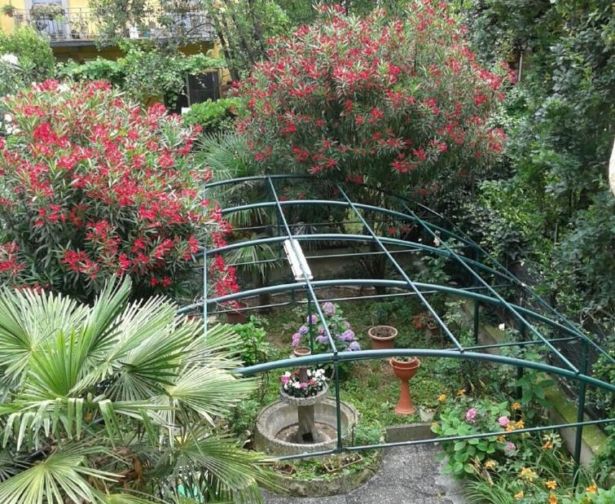
Hotel Malta offers rooms with garden-view balconies. Photos: Booking.com
Just like Rome, New York or London, Milan is a big and beautiful city, which can also mean big price tags for accommodations. In Milan, this is especially true during big events like Fashion Week (February and September) or annual trade shows. Plus, with all that Milan has to offer for visitors, it is a » Read more

The Circus Hostel in Berlin. Photos from Booking.com
Berlin has been one of Europe’s hottest budget destinations for years. With great neighborhoods, plenty of history, affordable restaurants, and a fun nightlife scene, what’s not to love for budget travelers? And although prices have kept up in recent years, there are still plenty of good deals — especially when it comes to hotels. We’ve » Read more

The Louvre is free on "first Sundays" from October to March. Photo: Brandon
Paris is so saturated with museums, monuments and historical landmarks that it’s difficult to know where to begin planning. But once you’ve booked your airfare and secured a good price on a Paris hotel, it’s time to start thinking about the fun stuff. For those looking to save some euros, one place to begin your » Read more
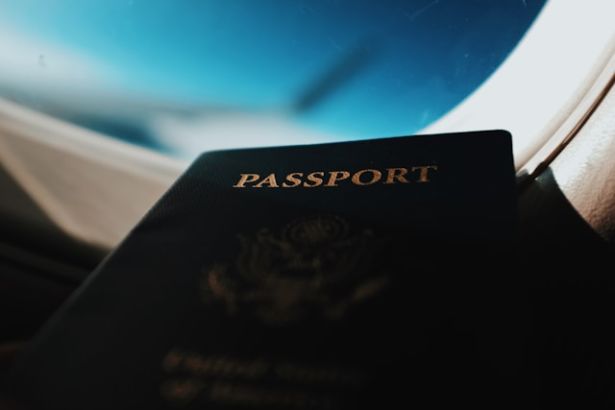
U.S. travelers will need more than just a passport to visit the U.K. Photo: Blake Guidry
Starting Jan. 8, 2025, the U.K. now requires for American tourists (as well as tourists from 47 other countries) who do not need a standard visa to apply for a U.K. Electronic Travel Authorisation, or U.K. ETA. While it’s often referred to as a visa, this registration is actually a type of visa waiver, so » Read more

Is Budapest calling your name?
Budapest has long been a favorite for budget travelers. Since it joined the European Union in 2004, prices have risen quite a bit, but you can still find bargains here. Travelers can find good quality hotels for around $100 per night (or less!). If you’re willing to spend a little more money, you can stay in a » Read more

Seville is the beautiful center of Andalusian culture. Photo: Regina W Bryan
You’ve got a bit more than a week to spend in Spain? Lucky you! As a resident of Barcelona, I’m of course tempted to say that you could easily spend the whole time in my city, but most visitors try to see more of Spain than just the northeastern corner when they come. Indeed, you’ve » Read more
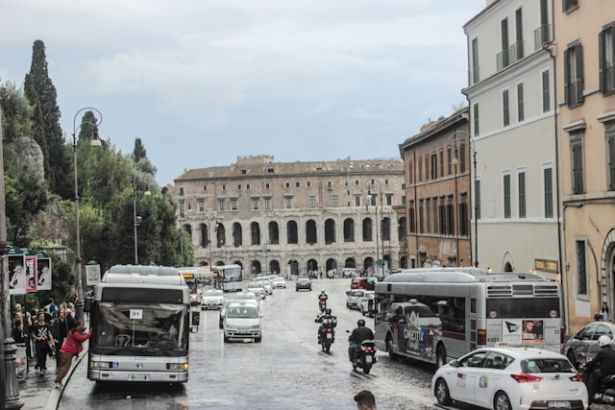
How will you travel through Rome on the cheap? Photo: Levi Ari Pronk
Navigating Rome’s bustling streets can be an adventure, but all those ticket fares and ride-share rates can add up. However, with the right knowledge, you can explore the Eternal City without breaking the bank. If you’re looking for budget-friendly transportation in Rome, we have you covered. Whether you’re hopping on the metro, renting a bike, » Read more

The entrance to City Backpackers in Stockholm.
Stockholm is famous for being beautiful… and pricey. However, don’t let that scare you away! Visiting the Swedish capital on a budget is easier than you think, especially when you check in at one of our favorite budget hotels in Stockholm. The city’s popular Old Town (Gamla Stan) is charming, and excellent cultural centers and » Read more
Most popular posts









Meet the Cheapos


Recent comments