Glass Factory: Murano
Highlights: glass, glass, and more glass
Duration: two to four hours
Exertion level: low
Accessible by: vaporetto
In the late 13th century, the powers that were in Venice ordered all glassmakers to move operations to the adjacent island of Murano. By the following century, Murano was the undisputed center of glass production in Europe. Murano glass artisans developed many glass styles, and Murano glass continues to be highly valued today.
It's very exciting to view Murano glassmakers at work, and there are many places on the island to check out contemporary glass production.
Be sure to check out Murano's Glass Museum, which is housed in the magnificent Palazzo Giustinian. Museum admission costs €5.50 (reduced price is €3), although it's free with possession of the Venice Card. The Glass Museum features an archaeological collection of glass from Egypt and Dalmatia as well as collections of 18th century, 19th century, and contemporary glass.
In addition to exploring Murano's cute corners by foot, be sure to visit the Church of Santi Maria e Donato. The church's mosaics are especially gorgeous.
To get to Murano, take vaporetto 5 or 42. The journey takes just a few minutes.
For more information about Murano, visit the official Tourist Board of Venice site.
Beach Spot: The Lido
Highlights: beaches; film festival; villas
Duration: three to five hours
Exertion level: low
Accessible by: vaporetto
To call the Lido, located on a sandbar minutes away from central Venice, a day trip might be stretching it just slightly. For most, the Lido is Venice, albeit a part of the city saturated less in romance and more in beach-oriented tourism than the more touristed parts of Venice.
The Lido is a huge summer destination for Italians, a place to enjoy fabulous beaches. Because the water quality is not great, the Lido is more typically utilized as a sunning and tanning beach than a swimming spot. Once a cherished destination of the rich and famous, the Lido's shine has worn off. The result is a slightly faded holiday spot, though all the more charming for its faded glories.
Spend your time on the Lido sunning yourself on a beach or exploring the island's cute side streets. The Lido is also the home of the Venice International Film Festival, held between late August and early September every year.
Many vaporetti head to the Lido, and the journey takes mere minutes.
For more information about the Lido, check out the official Tourist Board of Venice site.
Fruilian Escape: Trieste
Highlights: cultural crossroads; great cafes; literary history
Duration: eight to twelve hours
Exertion level: low
Accessible by: train
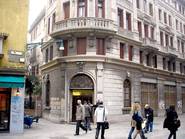
Trieste, nestled in the easternmost pocket of Italy across the top of the Adriatic, is a real cultural crossroads city. A thriving Austro-Hungarian Empire port city for over sixty years, Trieste continues to bear many of the hallmarks of an Austro-Hungarian city. Glorious neoclassical buildings, city squares, and a great café culture all contribute to this impression.
Today, Trieste retains both an Austro-Hungarian feel as well as Slovenian and German cultural influences. It's such a crossroads that following World War II, the area around Trieste was administered as a Free Territory for several years before it was divided between Italy and the former Yugoslavia (now Slovenia). During the late 19th century, Trieste was a favored stopping-off point for esteemed literary figures. This literary history intensifies Trieste's cosmopolitan heritage, extending it into the city's fascinating present.
Though Trieste is a city best explored on foot and enjoyed for its atmospheric qualities, there are plenty of standard tourist attractions on offer as well. Museo Revoltella (Web site in Italian only), housed in a fabulous 19th-century palace built by the Baron Pasquale Revoltella, has a fantastic contemporary art collection as well as the baron's original art collection. Admission to the Museo Revoltella ranges between €5 and €7.
For more information about Trieste, check out the city's municipal site (in Italian only) and the official Trieste Tourism site.
To get to Trieste from Venice, take the train. The direct journey takes just over two hours. Be sure to check train schedules, as train journeys requiring connections will add up to an hour onto journey time. A one-way ticket costs between €8.20 and €13.10.
|